In the e-commerce industry, reverse logistics has escalated into a staggering $890 billion global crisis. While businesses obsess over outbound fulfillment, online return rates now consistently sit around 20% year-round. For Canadian retailers, the challenge is amplified by sheer geography; managing long-haul returns across Canada's vast landscape is punishingly expensive. However, recent data shows that shifting away from distant 3PLs to local logistics networks can reduce these return costs by 30% to 70% while drastically cutting emissions.
A return is not just a lost sale; it is an active, aggressive expense. Processing a single returned item costs an average of $20 to $30. This heavy logistical toll actively bleeds your bottom line, eroding profit margins by up to 6 basis points before the product even makes it back to a shelf.
The traditional method of shipping returns off to distant third-party logistics (3PL) providers or simply writing them off to landfills turns your valuable inventory into a massive liability. The secret to transforming this reverse logistics nightmare into a profitable, green operation is utilizing local warehouse spaces to drastically speed up the grading process and unlock lucrative refurbish and resell opportunities.
The Flawed Traditional Model: Distant 3PLs and Landfills
The standard approach to reverse logistics is fundamentally broken. Shipping returned items back to distant, out-of-province, or cross-border 3PL facilities drags out processing times from a few days to several weeks. During this extended transit period, your working capital is completely frozen inside unsellable inventory trapped in the back of a freight truck.
The Black Hole of Logistics
This long-haul model acts as a financial black hole for growing brands. Businesses are forced to absorb steep transportation fees, compounding fuel surcharges, and unpredictable customs delays. By the time the product actually reaches a distant 3PL to be opened and inspected, its seasonal relevance or secondary market resale value has often plummeted.
The Landfill Default
Because this traditional processing model is so punishingly expensive and slow, many brands inevitably resort to the worst possible default: the landfill. It often becomes cheaper on paper to simply dump perfectly good or easily repairable returns into the trash rather than pay the exorbitant fees to ship, process, and restock them from a thousand miles away.
The Local Edge: Speeding Up the Grading Process
The most critical step in reverse logistics is grading. This is the immediate process of physically inspecting a returned item and categorizing its condition upon arrival. During grading, items are instantly sorted into actionable buckets: sellable as new, repairable, sellable as used, or strictly recyclable.
Weeks to Days
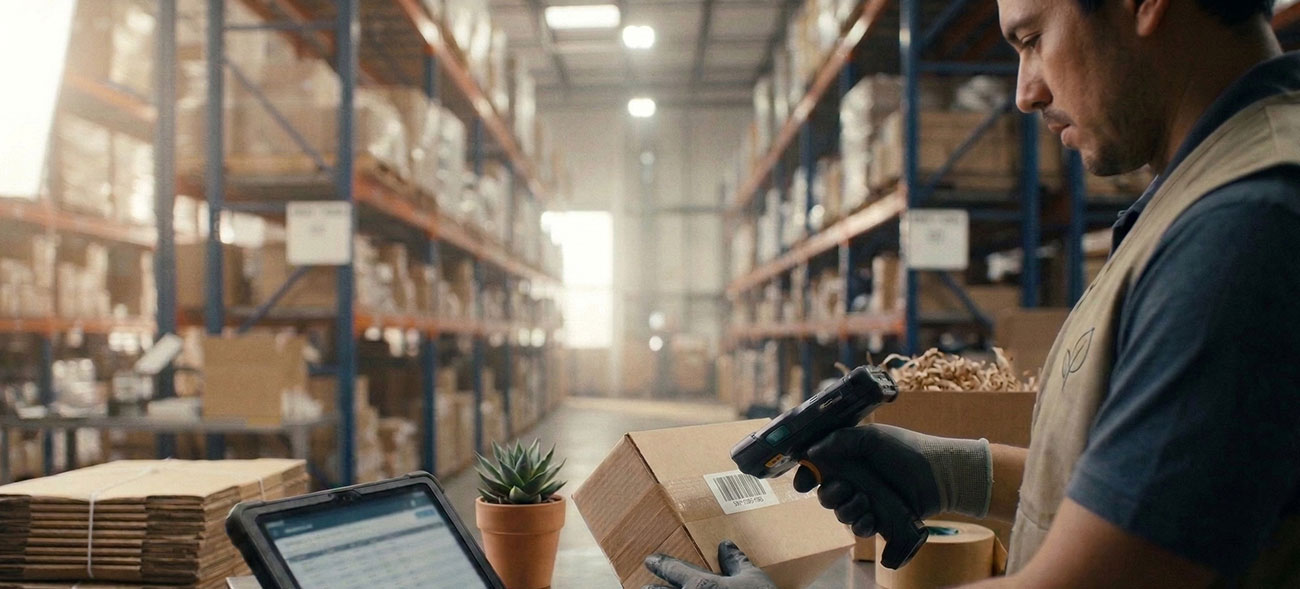
By utilizing a local warehouse facility, businesses can slash this processing timeline from a matter of weeks to mere days. Eliminating long-haul transit not only accelerates the timeline but reduces overall physical handling of the product by 30% to 50%. When local teams pair this proximity with modern tools like barcode scanners and real-time Warehouse Management System (WMS) syncing, the grading process becomes an efficient, localized assembly line rather than a delayed administrative headache.
Faster Restocking
The ultimate benefit of faster local grading is velocity. When sellable items are graded locally within 48 hours, they can be immediately restocked and pushed back to your active storefront. This rapid turnaround prevents valuable products from depreciating, frees up critical warehouse floor space, and drastically minimizes the storage costs associated with dead stock.
Unlocking Profit: The Refurb/Resell Opportunity
Once a return is rapidly graded at a local facility, it ceases to be a sunk cost. Efficient grading opens the door to highly lucrative refurbishment and resale channels, allowing brands to actively transform logistical liabilities into new revenue streams.
The Profit Math
The financial upside of the refurbish and resell model is often stronger than selling brand-new inventory. Consider the math: if you repair a moderately damaged item for just 20% of its original manufacturing cost and resell it to a secondary market at 60% of its full retail price, you can yield massive profit margins of up to 68%. In many unit economic models, this secondary sale outperforms the net margin of the initial, heavily advertised new-product transaction.
Industry Examples
This strategy is already completely reshaping specific industries. Case studies show that when bulky items are processed locally, up to 75% of returned TVs can be restocked, which boosts their eventual resale value by 10% simply by avoiding additional transit damage. Similarly, the apparel industry (which famously battles brutal 30% to 40% return rates) is now tapping into a booming $200 billion re-commerce market just by implementing localized cleaning and rapid grading programs.
The Green Advantage: Slashing Emissions and Waste
By anchoring reverse logistics in a local warehouse, brands naturally consolidate their return shipments. This strategic shift eliminates the massive carbon footprint generated by shipping single items across the country. It also avoids the inefficient, empty backhauls and long-distance freight routes that plague the traditional 3PL model, instantly making your supply chain more sustainable.
The Circular Economy
The refurbish and resell model is the backbone of a true circular e-commerce economy. Instead of defaulting to the dumpster, locally processed returns actively divert waste from overflowing landfills. With a fast and optimized grading system, brands can routinely recover the vast majority of their inventory. In fact, logistics data reveals that less than 20% of returned products are actually defective, meaning upwards of 80% can be successfully refurbished or resold, significantly reducing the environmental toll of new resource extraction.
Brand Appeal
Beyond the obvious operational savings, this green approach acts as a powerful marketing asset. A transparent, sustainable returns process appeals heavily to modern, eco-conscious buyers who actively choose to support environmentally responsible brands. Simultaneously, it financially protects the business by actively reducing costly e-waste penalties and regulatory fines.
TradeSpace: Calgary’s Solution for Profitable Returns
Building this sustainable, profitable reverse logistics engine requires the right physical space. TradeSpace (operating multiple strategic locations across the city, including our NE Calgary location near the airport and major transport trails) offers the perfect, flexible infrastructure for managing local e-commerce returns. It provides the exact square footage growing small-to-medium enterprises (SMEs) need, without the burden of a rigid commercial lease.
On-Site Processing
TradeSpace gives your business the power to handle the entire return lifecycle under one roof. Your team can receive returns, execute rapid grading, manage refurbishments, and process secondary market orders entirely on-site. This localized control completely bypasses the transit delays, cross-border fees, and inventory blind spots associated with distant 3PL pitfalls.
The Competitive Edge
In today's retail landscape, reverse logistics does not have to be a nightmare. By leveraging flexible, local infrastructure like TradeSpace, forward-thinking brands can flip the script. You can turn the costly, complicated burden of returns into a highly profitable, deeply green, and totally viable revenue stream.
Final Thoughts
Returns are an inevitable reality of scaling an e-commerce brand, but bleeding your profit margins to process them does not have to be. By shifting your reverse logistics away from distant, slow-moving 3PLs and embracing a localized grading and refurbishment strategy, you can completely transform a logistical nightmare into a profitable, sustainable revenue stream.
The key to unlocking this massive re-commerce opportunity is having the right physical space to operate efficiently. Stop letting transit delays, landfill waste, and rigid warehouse overhead dictate your bottom line. Schedule a call today with TradeSpace to secure the flexible, local infrastructure you need to take control of your reverse logistics and make your returns work for you.
Frequently Asked Questions

While the average return costs $20 to $30 to process, the biggest hidden drain on your margins comes from long-haul transit and extended processing times at distant 3PLs. These delays tie up your working capital in unsellable inventory, incur compounding transportation fees, and cause products to lose their seasonal or secondary market value before they are even inspected.
Grading is the immediate physical inspection and categorization of a returned item the moment it arrives at the warehouse. During this process, items are quickly sorted into actionable categories: sellable as new, repairable, sellable as used, or strictly recyclable.
Processing returns locally eliminates cross-country shipping delays and reduces physical product handling by up to 50%. This allows items to be graded in days rather than weeks. Faster grading means sellable stock is immediately restocked to your storefront, and repairable items can be quickly refurbished and sold at high margins on the secondary re-commerce market.
The traditional returns model frequently results in perfectly good or slightly damaged items being dumped into landfills because shipping them back is too expensive. A local refurbish and resell model diverts this waste, recovering upwards of 80% of inventory. Combined with the reduced carbon emissions from eliminating long-haul return shipping, this approach massively lowers a brand's environmental footprint.
Not at all. The main advantage of a shared warehousing model like TradeSpace is flexibility. Instead of getting locked into a massive, multi-year commercial lease, growing e-commerce brands can secure flexible, month-to-month footprints tailored to their exact size. This gives SMEs the physical infrastructure needed to handle their own grading and restocking without the crippling overhead.