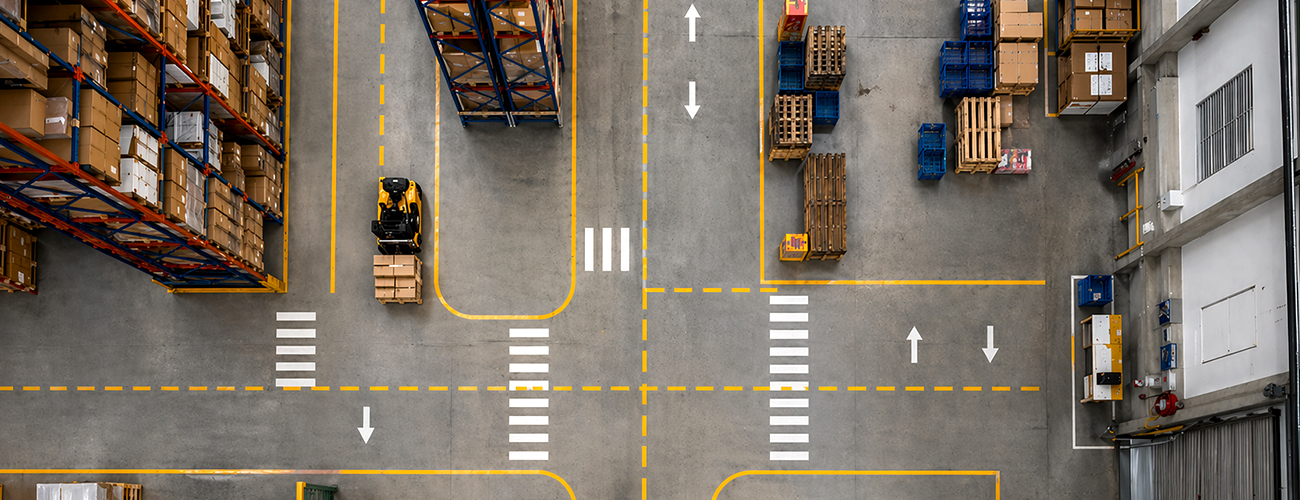
The warehouse sector is facing a persistent labour crisis as we move deeper into 2026. This shortage is driven by historically tight labour markets and fierce competition for reliable workers. With average voluntary turnover in Canada standing at 11.9 percent across all industries and reaching much higher in physically demanding logistics roles, maintaining a stable floor team has become an operational nightmare.
Relying exclusively on hiring full-time warehouse staff is increasingly risky. The traditional staffing model forces businesses to absorb massive overhead regardless of actual fulfillment demand. The solution to scaling operations without overcommitting your capital lies in adopting a hybrid workforce model and leveraging the community-driven power of shared warehousing.
The Hidden Risks of Full-Time Hiring
Financial Exposure
The most immediate danger of a strictly full-time workforce is financial vulnerability. Rampant wage inflation means every permanent hire costs more than ever before. Furthermore, when demand inevitably fluctuates, companies are forced into devastating cycles of layoffs or hiring freezes; a volatile reality highlighted by the Canadian trucking and logistics sector shedding 25,000 jobs recently to correct for shifting volumes. You are either paying for idle hands during a lull or scrambling to hire expensive emergency labour during a surge.
The Inflexibility Trap
A static workforce creates an inflexibility trap. Overstaffing leads directly to severe operational inefficiencies during slow periods. This rigid approach is especially dangerous in a 2026 market where the demand for purely manual labour is rapidly shifting due to the integration of AI and robotics. If your order volume drops, you cannot easily scale down a full-time payroll without damaging company morale and incurring severance costs.
The Skills Gap
Modern fulfillment centers are no longer just about lifting boxes. Today, warehouse operations require significant upskilling in advanced technology, including specialized WMS software, automation management, and IoT devices.
This tech evolution creates a heavy and expensive training burden. Investing heavily in training a demographic that is already prone to high turnover means you are constantly funding the onboarding process rather than reaping the long-term benefits of a highly skilled team.
The Hybrid Workforce Model: Stability Meets Agility
To build resilience against labour shortages, companies must shift away from rigid hiring and embrace a hybrid approach. This strategy balances reliability with ultimate flexibility.
The Core Team
A successful hybrid model relies on a small, permanent staff. This core team is focused exclusively on baseline operations, maintaining quality control, and preserving deep process knowledge. They are the anchor of your warehouse, ensuring that daily, predictable order volumes are handled with expertise and consistency.
On-Demand Labour
To handle unpredictable peaks, businesses can tap into on-demand labour. These pre-vetted contingent workers are brought in specifically to absorb volume surges as part of a managed contingency plan. Because they are deployed only when needed, they provide massive scaling power without adding any long-term overhead to your payroll.
The Breakdown
Here is how the strategic differences between the two labour forces complement each other:
The TradeSpace Solution: Shared Warehousing & Scalability
Implementing a flexible workforce requires infrastructure that is equally adaptable. TradeSpace serves as the ideal environment for the hybrid model, redefining how logistics operate with a strong physical presence right now in Calgary's Northeast and Southeast industrial districts.
Flexible Footprints
Traditional leases trap you in static spaces, but TradeSpace offers highly flexible footprints. With month-to-month terms starting at just 100 sq ft, businesses have the unique ability to scale their physical space up or down in perfect tandem with their flexible labour needs. If you bring in an on-demand team for a busy month, you can easily expand your square footage to accommodate them, and then shrink it back down when the rush is over.
Built-In Infrastructure
Furthermore, the facility provides built-in infrastructure that drastically reduces individual overhead. Members gain immediate access to essential amenities such as shared forklifts, on-site labour services, comprehensive fulfillment support, and integrated coworking offices. You are able to leverage the operational capacity of a massive enterprise without ever having to purchase the equipment yourself.
The Hallway Economy: Community as a Safety Net
Informal Peer Support
The concept of a hallway economy naturally emerges within the vibrant community of over 230 members at TradeSpace. This informal peer support system operates much like a traditional coworking space but is tailored specifically for industrial and e-commerce businesses. Through daily interactions, tenants build relationships that quickly transition into actionable support during critical operational crunches.
Mutual Aid During Crunches
When unpredictable surges happen, businesses frequently lend labour, specialized equipment, or even temporary storage space to one another. For example, if one company experiences a massive spike in orders following a successful marketing campaign, a neighboring business might share extra hands for packing or loan out a pallet jack to help clear the backlog. This immediate access to shared resources provides a massive advantage over isolated traditional warehouses.
Building Resilience
This collaborative sharing economy builds strong industry alliances and significantly cuts costs. It creates a unique operational safety net for ambitious go-getters, allowing them to survive and thrive during volume peaks without going through the slow, expensive, and risky process of sourcing external temporary hires.
Implementing the Flexible Model
Transitioning to a highly adaptable workforce requires a deliberate and structured strategy.
Step 1: The foundation begins with building and retaining a lean core team. Instead of hiring for sheer headcount, focus your resources on bringing in professionals trained in modern automation and warehouse technology. This small, highly skilled group will manage your baseline operations, ensure quality control, and oversee any temporary staff.
Step 2: To handle the peaks efficiently, integrate artificial intelligence tools to monitor market demand and predict incoming volume surges.
Once you can accurately forecast these spikes, establish strategic partnerships with on-demand staffing agencies. These agencies provide the flexible muscle needed precisely when your data indicates a surge is imminent, allowing you to scale up instantly.
Step 3: Finally, relocate your operations to a collaborative environment like TradeSpace. This vital move positions your business to leverage both flexible physical square footage and built-in community support, ensuring your physical infrastructure is just as agile as your new labour strategy.
Final Thoughts
In the unpredictable economic landscape of 2026, relying on rigid, traditional hiring models is no longer just inefficient; it is a critical liability. The businesses that will survive and thrive are those that recognize the power of adaptability. Building a truly antifragile supply chain, one that actually grows stronger during market shocks and volatility, requires absolute flexibility in both your labour force and your real estate footprint. By decoupling your operations from heavy fixed costs, you can seamlessly weather the persistent labour shortage and scale dynamically alongside shifting consumer demands.
Do not let fixed overhead and staffing limitations bottleneck your growth. Stop overcommitting to rigid leases and massive payrolls that trap your capital. Start exploring the scalable, community-driven warehousing options at TradeSpace. Schedule a call or book a tour today to see how our hybrid infrastructure can future-proof your fulfillment strategy and give you the ultimate competitive edge.
Frequently Asked Questions

A hybrid workforce model is a strategic staffing approach that blends permanent and temporary labour. It pairs a small, full-time "core team"—responsible for daily baseline operations, quality control, and process management—with pre-vetted, on-demand contingent workers who are brought in specifically to absorb sudden volume surges and seasonal peaks.
Relying solely on full-time staff forces a business into rigid fixed costs regardless of actual fulfillment demand. During slow periods, you pay for idle labour, and during surges, you risk burnout. Coupled with high industry turnover rates and wage inflation, this inflexible model frequently forces companies into costly cycles of layoffs and hiring freezes.
Shared warehousing models convert heavy fixed overhead into flexible, variable costs. Instead of leasing a massive private facility and hiring a full-time staff to run it, businesses can operate out of footprints as small as 100 sq ft. They can then utilize the facility's built-in, shared labour services, forklifts, and fulfillment support precisely when they need them, scaling up or down without long-term commitments.
The "hallway economy" refers to the informal, collaborative peer-support network that naturally develops within a shared industrial space. In a community like TradeSpace, tenants frequently help each other out during operational crunches by lending extra packing hands, sharing equipment like pallet jacks, or temporarily trading storage space to clear backlogs.
Yes. In a flexible shared warehouse, your leased square footage is used strictly for your active inventory and immediate packing stations. You do not need to pay for the space required for loading docks, cross-docking areas, heavy equipment storage, or staff breakrooms, because those are all shared amenities provided by the facility.